


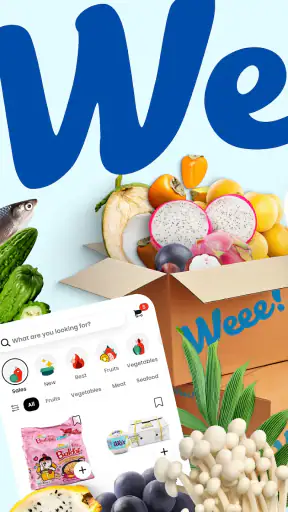

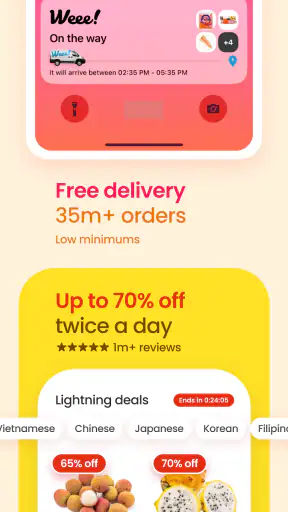




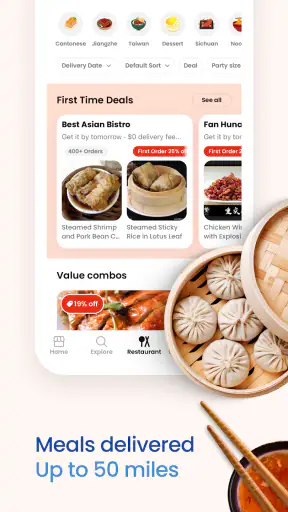
I installed Weee! Asian Grocery Delivery expecting a convenient way to find ingredients that are easy to miss in ordinary supermarkets. After using it as a shopping tool rather than treating it like a novelty browsing app, I found its real appeal fairly clear: it brings a wide range of Asian groceries into one place and makes repeat buying more practical when local options are limited. It is a free Food & Drink app from Weee! Inc., available for everyone, and it has become the kind of service I would suggest to someone who regularly cooks Asian dishes or wants familiar pantry items without visiting several stores.
The first impression is strong because the app solves a specific problem. Instead of searching through unrelated grocery aisles or visiting multiple specialty shops, I can browse ingredients, snacks, drinks, frozen foods, sauces, produce, and household staples in one shopping flow. That does not make every purchase effortless, but it changes the starting point. I am not asking whether a nearby store happens to carry a particular item; I am first checking whether I can put together the order from home.
Why the first week feels so useful
During the first week, the biggest attraction is discovery. The catalog makes it easy to move beyond the few familiar brands I already know. I can look for a specific ingredient, then notice related items that fit the same meal or cuisine. That is especially helpful when I have a recipe in mind but do not know the exact English name of an ingredient. Browsing by food type or cuisine can be more productive than guessing search terms.
I found the app most useful when planning a small cooking project rather than trying to replace every grocery trip immediately. For example, if I wanted to make a noodle soup, dumplings, or a rice-based meal, I could use the app to gather sauces, noodles, seasonings, snacks, and frozen additions in one session. The practical advantage is not simply the number of products. It is the reduced mental effort of remembering which specialty shop might stock each part of the meal.
A realistic everyday situation is a busy weekday evening. I might realize that I am out of a particular chili paste, tea, rice flour, or frozen item while planning meals for the weekend. A conventional grocery app may show nearby supermarkets, but it may not help much with less common Asian ingredients. Weee! gives me a more relevant place to start, so I can plan the order around the missing item instead of changing the recipe immediately.
There is also a useful learning benefit for people who are still building confidence in Asian cooking. I can compare related products, recognize packaging I have seen in restaurants, and gradually create a personal list of ingredients worth buying again. That makes the app more valuable than a one-time search tool. The first order may be exploratory, but it can become the beginning of a repeatable pantry routine.
The app is particularly well suited to people who live far from a good Asian supermarket, people who have dietary or cultural staples that are not consistently stocked nearby, and cooks who dislike making several stops for one meal. It can also help households that already know their preferred brands and simply want a more convenient way to replenish them. In those cases, the service feels less like online browsing and more like a specialized grocery shelf that is always available from the phone.
Still, the first-week experience can encourage overbuying. A large selection makes it easy to add interesting snacks, sauces, and frozen products that were not part of the original plan. I recommend making a short list before opening the app and separating “needed for a meal” from “interesting to try.” That simple habit protects the convenience from turning into an unfocused shopping session.
What makes the catalog different from an ordinary grocery app
The usual supermarket app is strongest when I need familiar staples quickly: milk, bread, common vegetables, cleaning products, or a brand I already know. Weee! is more useful when the item itself is the reason for the order. Its value comes from specialization. I am not using it because it has a better general-purpose grocery interface than every supermarket; I am using it because the shopping context is more relevant to Asian groceries.
That distinction matters when deciding whether to keep it installed. If I only need occasional everyday food, a local supermarket app may be faster and more practical. Local shopping also lets me inspect produce, choose substitutions in person, and combine groceries with errands already on my schedule. Weee! earns its place when the products I care about are difficult to find locally or when the time saved by avoiding multiple stores outweighs the limits of ordering online.
One non-obvious strength is how the app can support ingredient continuity. A home cook may not need a huge order every time, but keeping a record of familiar products and returning to the same categories can make recipes more dependable. Instead of replacing an unavailable ingredient with a guess, I can search for the same kind of item I used before. That is a small advantage, but it becomes important when cooking depends on a particular style of noodle, sauce, flour, tea, or frozen component.
Does it remain valuable month after month?
The long-term question is more demanding than the first impression. A specialty grocery app can be exciting when I am discovering new products, but novelty alone is not enough to justify keeping it in my routine. In my experience, Weee! has recurring value when I use it as a planning tool. It works best when I maintain a short list of staples, combine replenishment with upcoming meals, and avoid opening the catalog without a purpose.
For recurring shopping, I would divide purchases into three groups: dependable pantry items, occasional cooking ingredients, and impulse discoveries. Pantry items are the foundation of the habit because they give me a reason to return. Occasional ingredients make the service useful for specific recipes. Discoveries should remain a small part of the order, otherwise the app becomes entertainment rather than a grocery solution.
This approach also helps with household budgeting. The free download does not mean every order is automatically economical, so I judge value by the total effort and cost of getting the same products elsewhere. If a local Asian market is nearby and I am already passing it, shopping in person may be the better choice. If reaching that market requires a long trip or several separate stops, online ordering can offer better practical value even when I still buy ordinary groceries locally.
Another lasting use case is shared household planning. One person can check what is needed for the next few meals, while another reviews the order before it is placed. That is easier than relying on memory while walking through a store. It is especially helpful for households with different food traditions, because the app can serve as a common reference point for products that one person recognizes and another does not.
I would not recommend using it as the only grocery source for a household that depends heavily on fresh, last-minute shopping. Online grocery habits require planning, and specialty products may not fit the same rhythm as buying vegetables for tonight. I see the strongest routine as a hybrid: local stores for immediate basics and fresh decisions, Weee! for harder-to-find items, pantry replenishment, and planned cooking.
The app’s scale is reflected in its reach: it has passed one million installs, carries an average rating of 4.9 from around twenty-one thousand ratings, and has roughly two thousand four hundred written reviews. Those figures suggest that the service is not merely a short-lived curiosity. More importantly for my decision, they fit the way the app feels in use: it is designed around repeated grocery behavior, not just browsing a limited promotional catalog.
Practical habits that improve repeat orders
I get better results when I shop from a meal plan instead of from cravings. Before opening the app, I write down the dishes I expect to cook and mark which ingredients are difficult to replace. Then I search for those items first. This prevents a common mistake: building an order around snacks and remembering the essential cooking ingredient only at the end.
I also keep a mental distinction between shelf-stable products and items that need more careful timing. Pantry products are easy to add to a planned order, while frozen or fresh choices require me to think about when I will actually use them. That distinction reduces waste and makes the service feel more like a reliable routine. It is a small workflow improvement, but it is one of the reasons the app can continue to be useful after the initial excitement fades.
For families, I would make one person responsible for checking the final basket against the meal plan. Specialty grocery orders can contain unfamiliar packaging, similar product names, or several versions of the same ingredient. A final review is worthwhile, especially when a recipe depends on a specific form, such as dried versus fresh, mild versus spicy, or plain versus seasoned. The app helps with access, but the shopper still needs to read carefully.
Where the maintenance burden appears
The main maintenance burden is not learning the interface. It is managing the shopping habit around delivery. I have to think ahead, remember what is running low, and avoid assuming that online availability removes all planning. A physical store offers immediate correction: if one item is missing, I can choose another shelf option. With an app, I need to make that decision before the meal becomes urgent.
Catalog browsing can also take longer than expected. A broad selection is useful when I want choice, but it creates friction when I already know exactly what I need. Searching by an uncertain name may lead to several related products, and I may spend time comparing packaging rather than completing the order. That is not a serious flaw for an exploratory shopper, but it can frustrate someone who wants a fast, minimal basket.
There is a second kind of maintenance: remembering which products worked for me. The app can expose me to many alternatives, but the responsibility for building a dependable personal shortlist remains mine. I recommend noting the exact product name or taking a quick screenshot of items that become household favorites. That makes future orders faster and reduces the chance of buying an attractive but unsuitable substitute.
Fresh and frozen shopping demands more judgment than pantry shopping. I am comfortable using the app for sauces, noodles, packaged snacks, tea, and other items where small variations are manageable. I am more cautious when the success of a meal depends on texture, ripeness, or personal inspection. Someone who is very particular about produce may find a local market more satisfying, even if the app offers greater convenience for packaged goods.
Device compatibility is broad enough for many older phones because the current version is 26.14 and the minimum operating system is Android 6.0. That is useful for people who do not upgrade devices often. On iOS or Android, the more important question is not whether the app is modern enough to install, but whether online grocery ordering fits the person’s regular schedule. Compatibility removes one barrier; it does not remove the need for planning.
What can cause fatigue over time
The first source of fatigue is repetition without a clear shopping system. If I open the app every time I am hungry, the catalog can feel like an endless stream of possibilities rather than a helpful tool. The solution is to use it at a planned point in the week, prepare a short list, and leave once the useful items are covered. That turns browsing into maintenance.
The second is the gap between wanting a product and having a complete meal plan for it. A specialty ingredient may look appealing, but if I do not know when I will use it, it can sit in the pantry while I continue buying easier foods elsewhere. The app is not at fault for that, but its variety makes the problem more tempting. I get more lasting value when every unusual purchase has a recipe, occasion, or clear use attached to it.
The third is using one service for tasks it is not best at. I would not choose Weee! for every emergency dinner, every piece of produce, or every routine household staple. A nearby supermarket, farmers market, or local specialty store can be better in those situations. The app becomes tiring when I force it to replace those options instead of giving it the narrower job it handles well.
There is also a social and practical consideration. Some shoppers enjoy visiting Asian markets because the store itself provides context, recommendations, and the chance to compare products in person. Online ordering cannot fully reproduce that experience. If browsing shelves, asking staff questions, or discovering ingredients physically is part of the pleasure, the app may feel efficient but less engaging. I see it as a complement to that experience, not a complete substitute for it.
Who should keep it installed?
I would keep the app installed if I regularly buy Asian groceries, live far from a suitable market, or prefer planning specialty ingredients from home. It is also a good fit for curious cooks who want to expand beyond the limited international section of a general supermarket. The strongest users are not necessarily people who place huge orders; they are people who return often enough for the specialized catalog to solve a recurring problem.
I would be more selective if I already live close to an excellent Asian supermarket, prefer choosing fresh food personally, or usually cook with common ingredients. In those cases, a local store may offer faster access and better control. Someone who dislikes planning deliveries may also find that the convenience disappears quickly. The app is not a magic shortcut; it shifts some of the work from walking through aisles to organizing the order in advance.
For new users, my advice is to begin with one focused order. Choose a few ingredients for meals you already know how to cook, add only a small number of experiments, and pay attention to which products become genuine repeat purchases. That test reveals more than a large exploratory basket. If the app helps you solve a real shopping problem, it will probably earn a permanent place. If it only encourages impulse browsing, the appeal may fade after the first week.
Weee! is free and carries an Everyone content rating, so the initial commitment is low. The meaningful commitment is behavioral: I need to plan, compare the app with nearby alternatives, and decide which categories are worth ordering online. That makes the service easy to try but not automatically essential for every household.
After the novelty fades, I still see lasting value here because the app has a clear role. It is strongest as a specialized pantry and meal-planning companion, not as a universal replacement for every grocery trip. The catalog can reduce the effort of finding Asian ingredients, the repeat-order habit can save time, and the broad reach makes it practical for shoppers who lack convenient local access. At the same time, browsing fatigue, delivery planning, and limited control over fresh selections are real trade-offs.
My final judgment is favorable, with one condition: keep it for the shopping problem it genuinely solves. If that problem appears every month, the app earns lasting space on the phone. If it does not, a regular supermarket app or a nearby store may be simpler. For me, the best reason to recommend it is not the excitement of discovering one more snack. It is the quieter, more durable benefit of being able to plan familiar meals and find specialized ingredients without turning the search into a separate day of errands.


